Diane Severin Nguyen
× Linda Lach
guest gallery: Molitor, Berlin
Apr 10 – May 23, 2026
Constellations 2026
gallery-share initiative
April 10 | Preview
4 – 7 pm
April 11 – 12
12 – 6 pm
We're pleased to take part in this year's Constellations gallery-sharing initiative with a duo-show in collaboration with Galerie Molitor (Berlin), presenting works by Diane Severin Nguyen and Linda Lach.
The exhibition sets Nguyen’s photographic practice—treating images as materially unstable and shaped by transformation—alongside Lach’s sculptural and performative works, which foreground the body as both medium and site of negotiation. In both practices, surfaces register a heightened tactility—images and materials alike seem to hold a physical charge, as if their textures could be felt under the skin.
Constellations returns to Warsaw for its third edition from 10 to 12 April 2026, bringing together thirteen of the city’s leading contemporary art galleries in a collaborative international format. Built on the gallery-share model, Constellations brings together local and international artists, curators, and cultural professionals. By temporarily sharing spaces and audiences, the participating galleries create a platform for dialogue and cross-cultural collaboration, reinforcing Warsaw’s presence within the global contemporary art network.
A text by Matteo Giovanelli, writer and curator, accompanies the show.

The exhibition is part of Constellations, a gallery-sharing initiative through which we have the pleasure of hosting Galerie Molitor (Berlin, Germany) at Gunia Nowik Gallery.
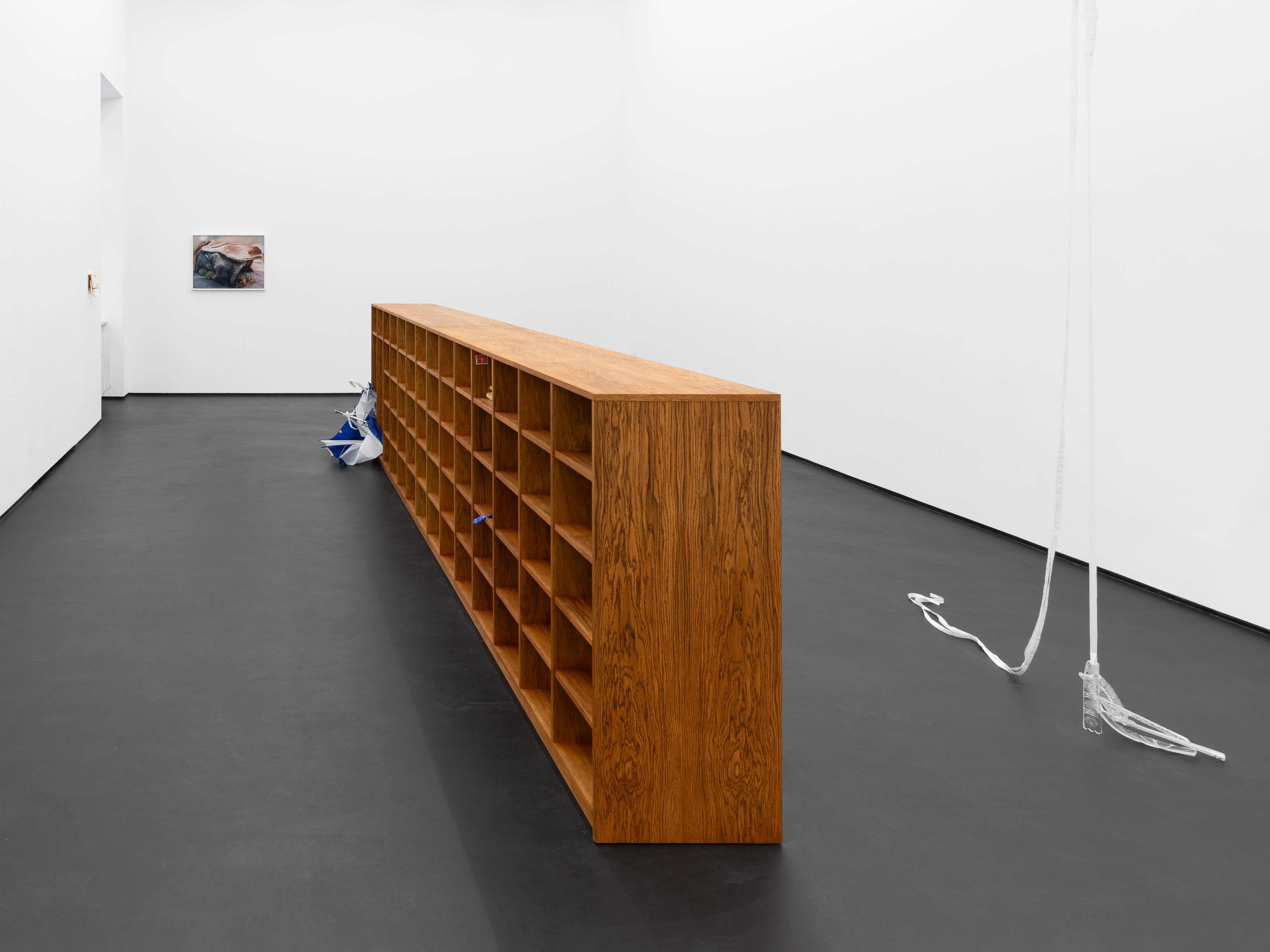
Tensions become perceptible in space, emerging from an indefinite elsewhere beyond images and objects, echoing like barely audible voiceovers. In-betweenness lingers, thickening into a suspension at the threshold where rhythm begins to shift: a surface to pierce, a depth that pierces back.
This juxtaposition does not generate a singular punctum in the Barthesian sense[1] – a detail that wounds, that involuntarily pierces – but rather a never-ending curve around it. The rupture’s wound does not disappear, but loses its sharpness, becoming harder to locate. A sense of stuckness pervades this coagulated reality, a liminal space at the edge between things and their double, between objects and their histories, caught in a matryoshka-like cumulativeness which endlessly reveals and withholds. We are held by this latent aesthetic force, pulling perception apart in a timeless zone.
A seductive repulsion invites us to remove a viscous patina spread across objects and images. An indeterminate violence lies beneath, where personal archives and historical events condense into a strange intimacy marked by comfortable discomfort. Moving through the space, we are suspended in transition, between surface and depth, between the layers of an incomprehensible reality.
1 R. Barthes, Camera Lucida, 1980.
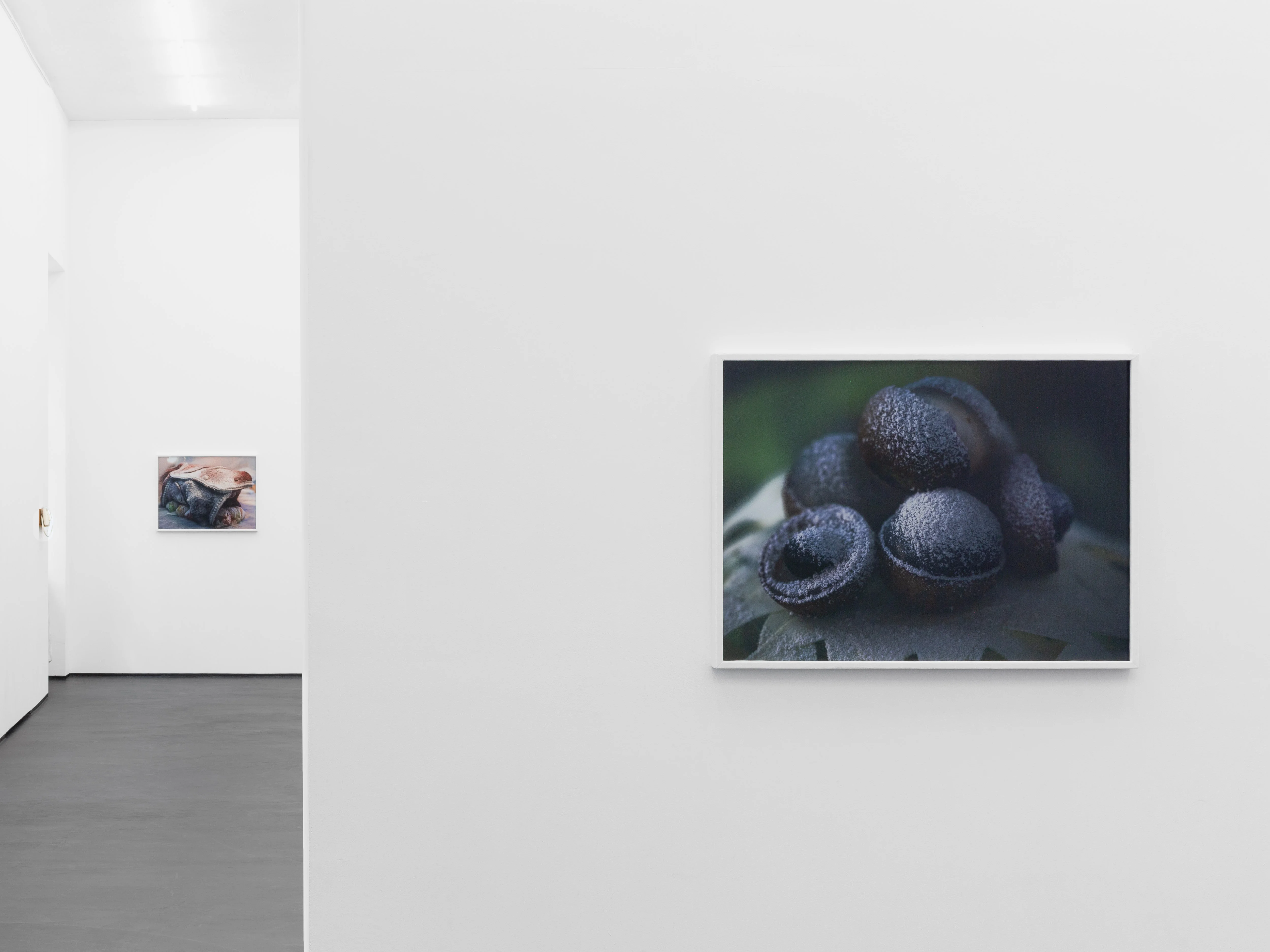
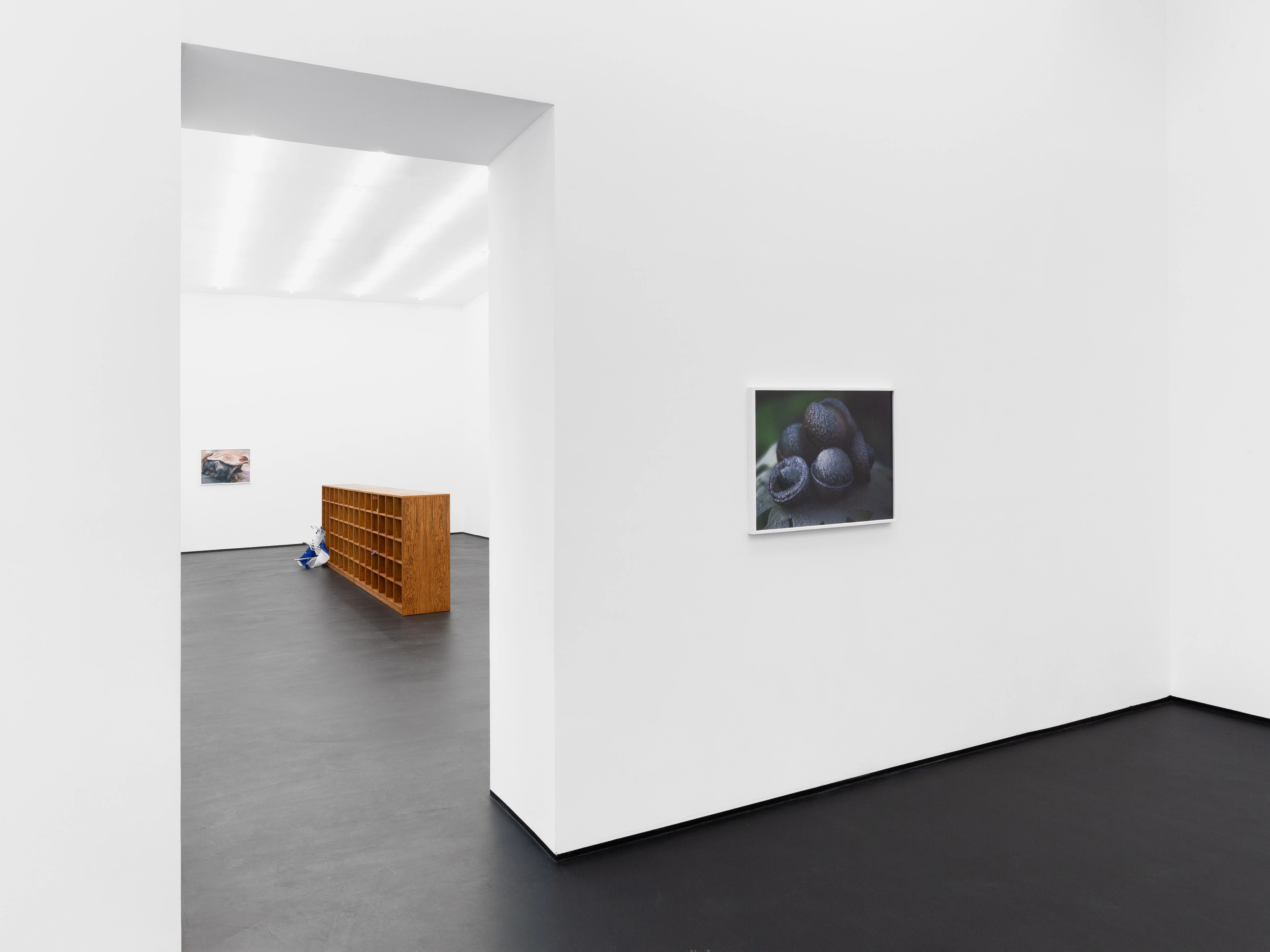
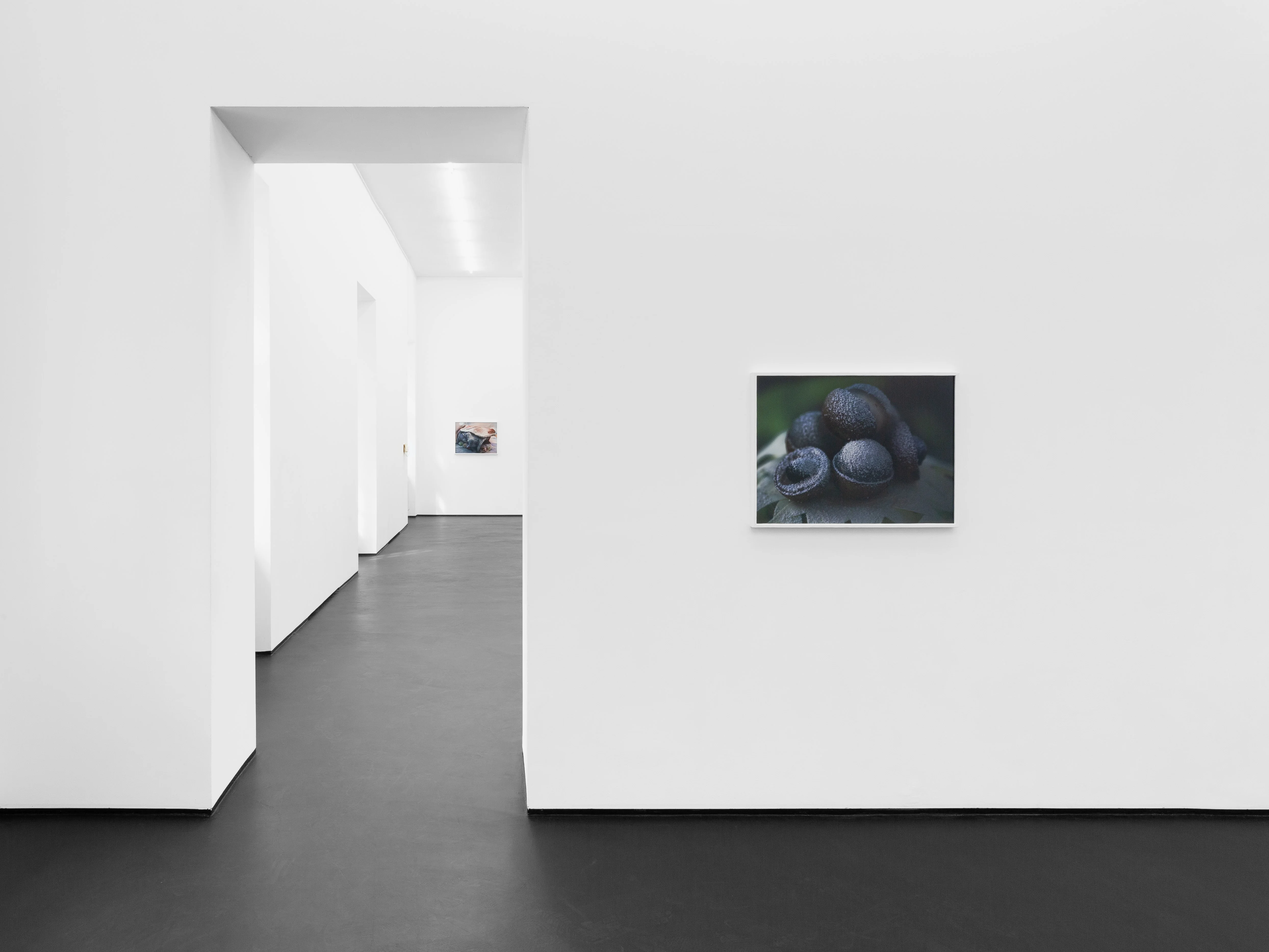
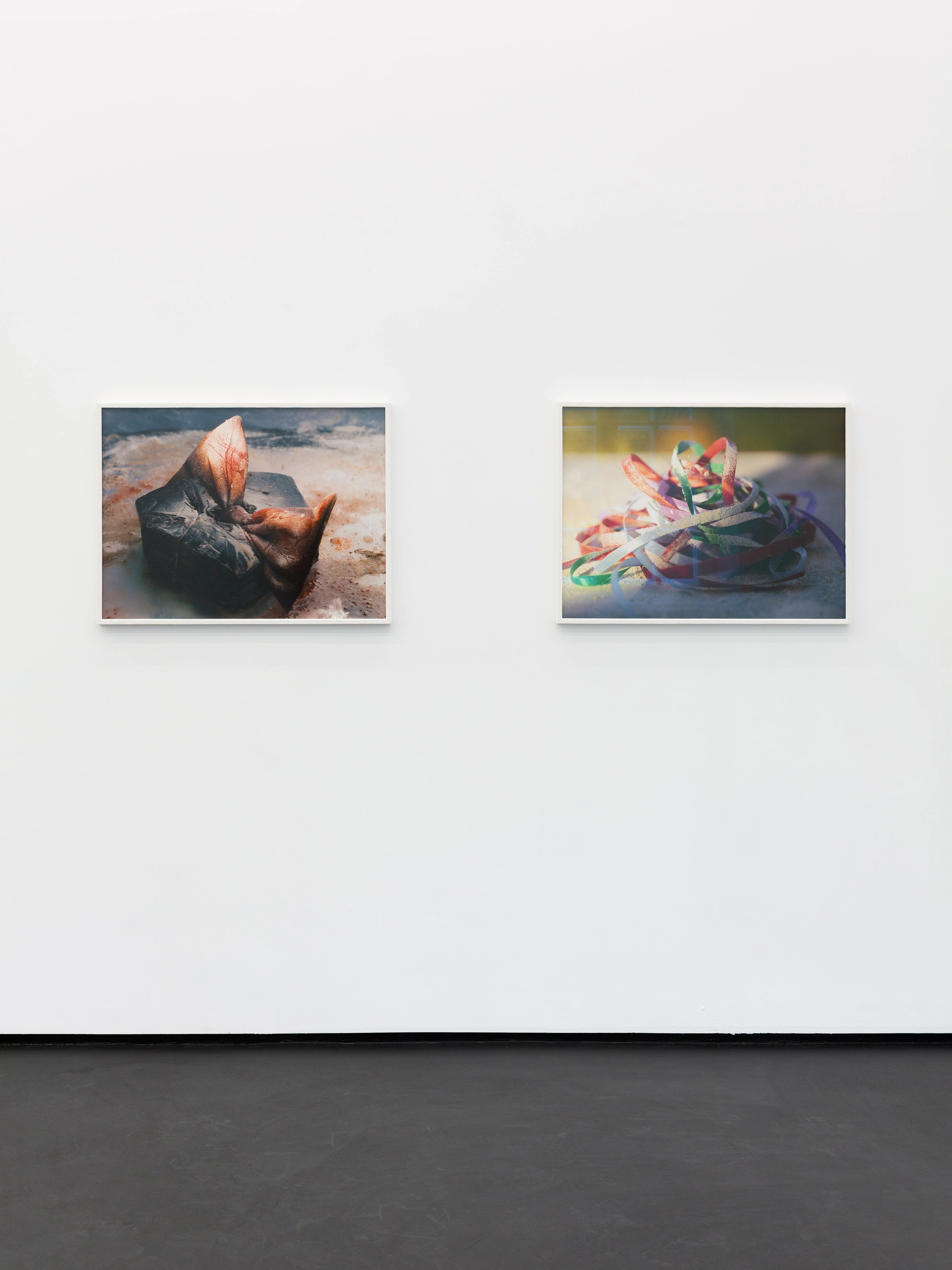
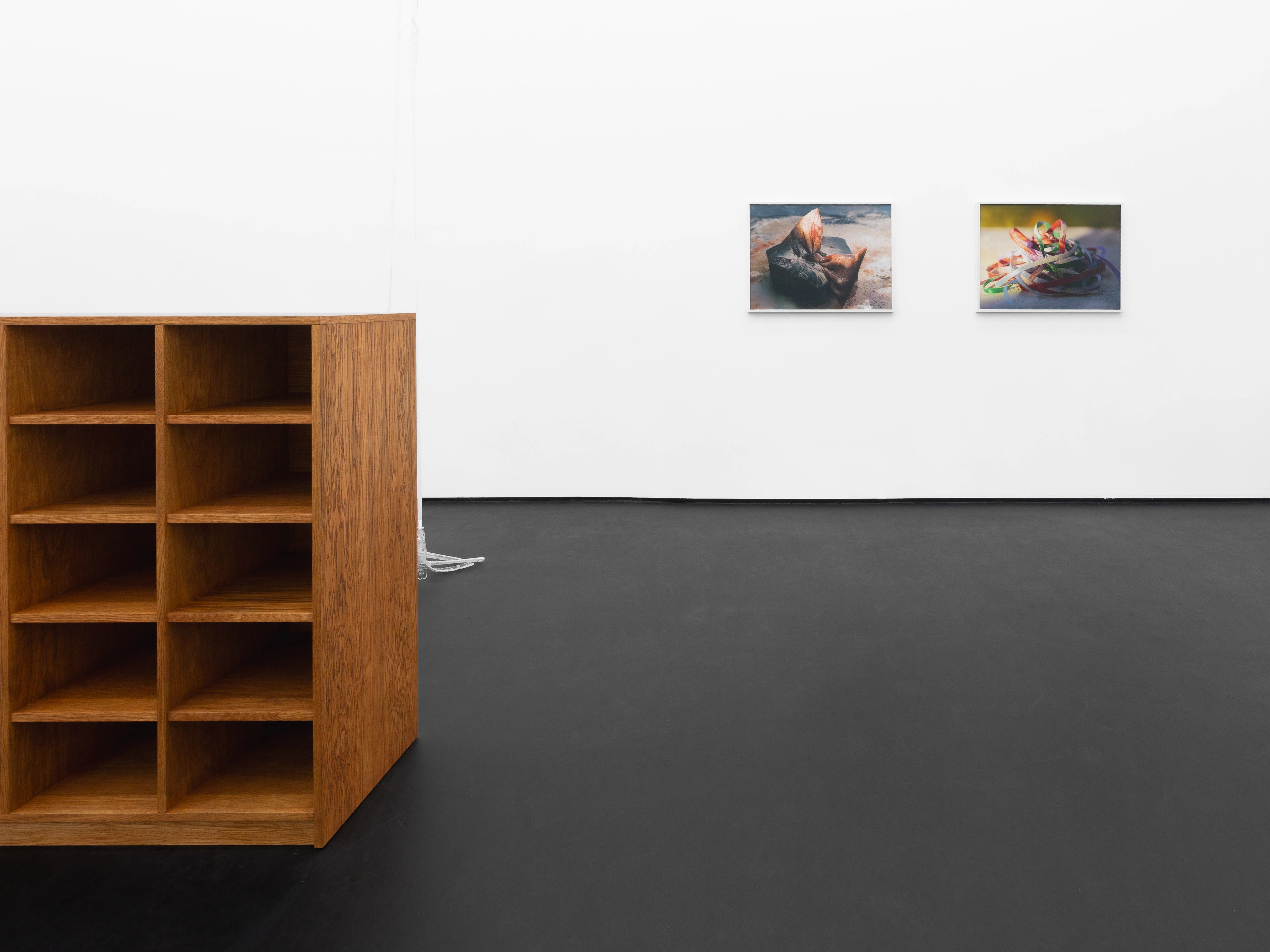
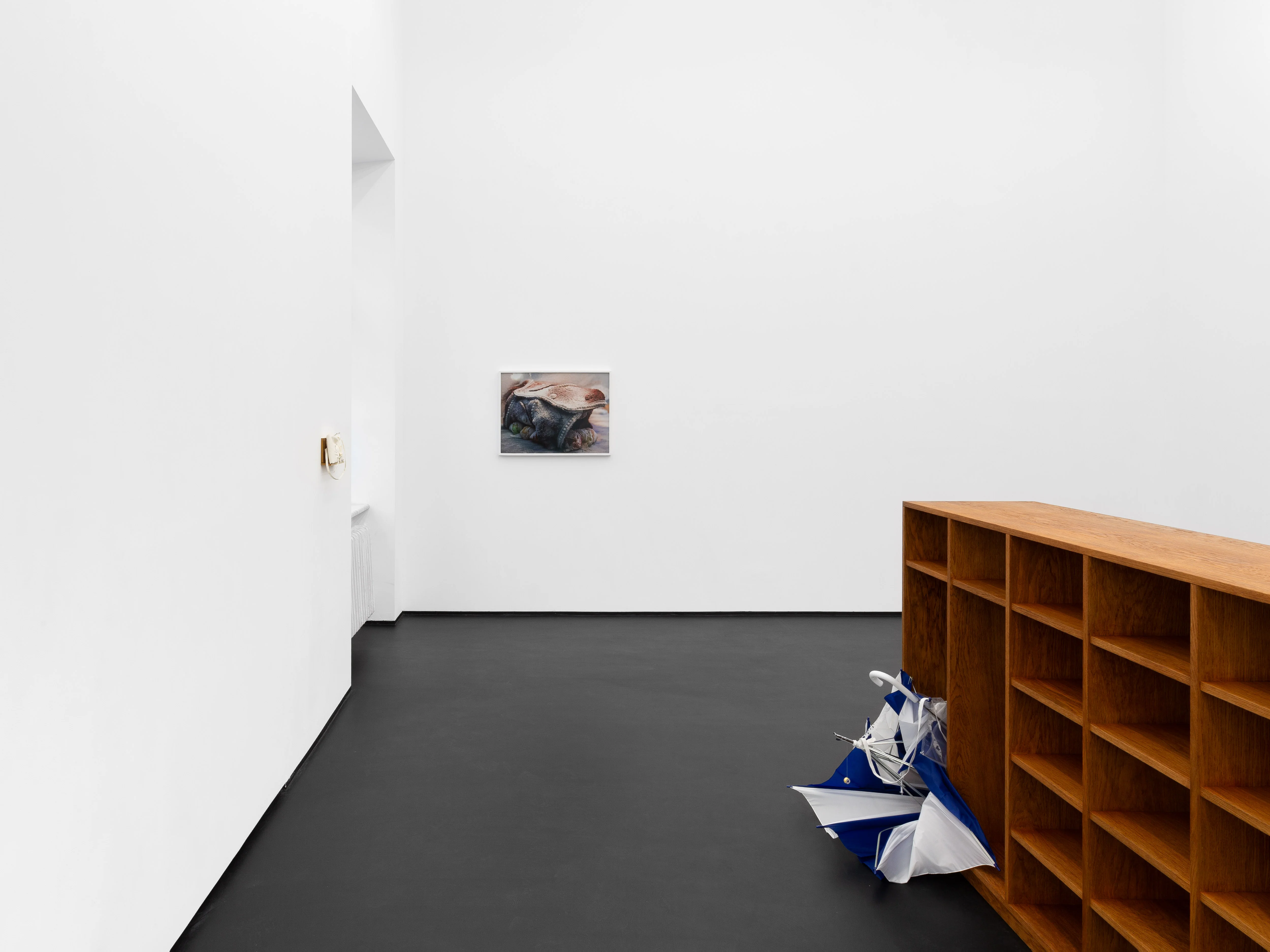
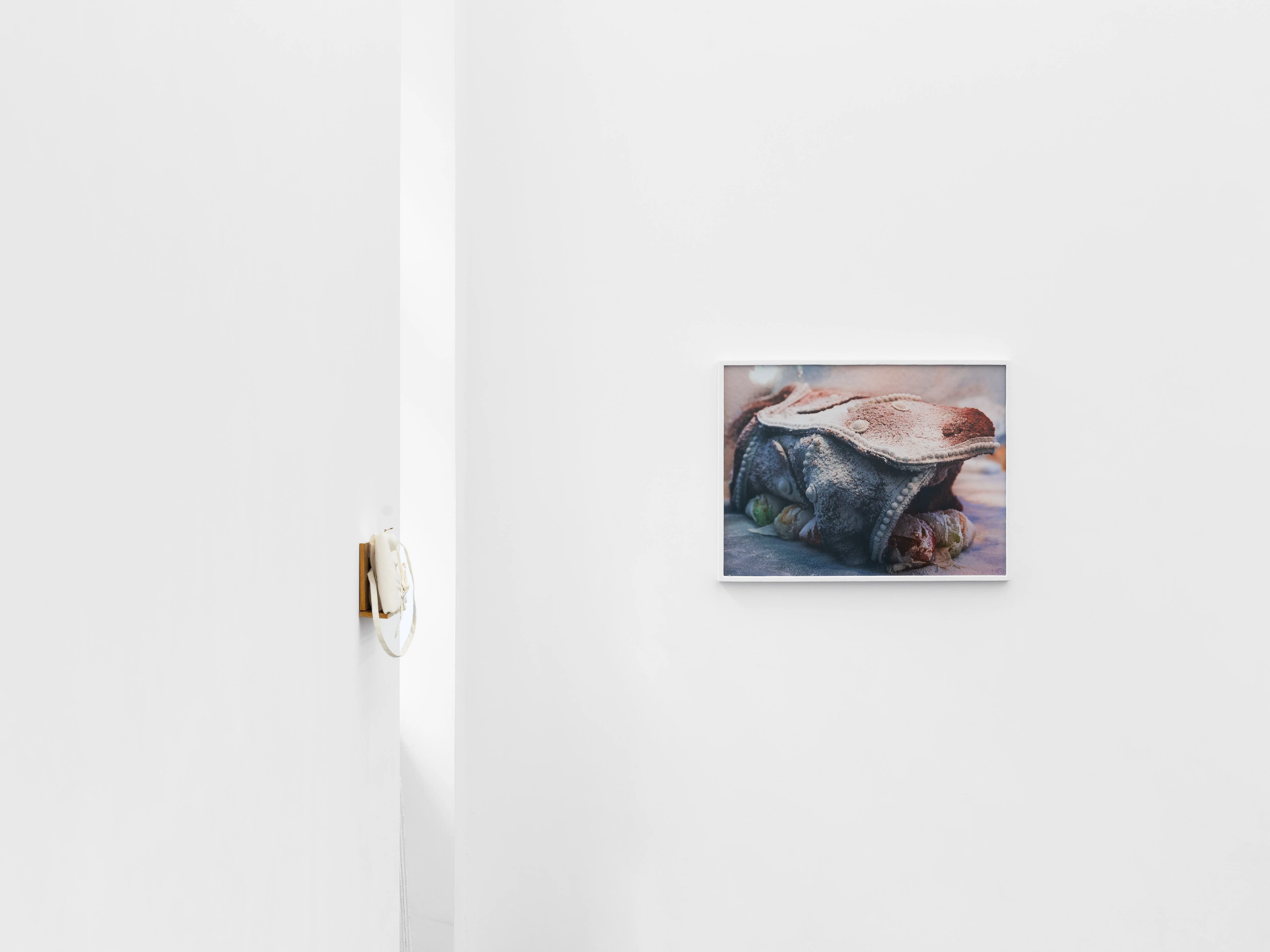
Diane Severin Nguyen’s photographs stage this tension through synthetic vanitas: vaguely familiar forms coated in artificial snow, as distorted still lives in which frost has left a residue. They convey a sense of brokenness, detached from any stable source, oscillating between attraction and repulsion, as the distinction between life and death dissolves. Decadence lies in the aesthetic seduction of pop imagery: a kind of hermeneutic intensity that conceals a madness, a lack or distortion within the historical events that shape reality.
Light structures this atmosphere: from the darkness of Workers Bouquet (2025) to the gradual emergence of illumination in Drain the Whole Sea (2025), Victory (2025), and Shining Like Videotape (2025), where time unfolds as suspended duration.
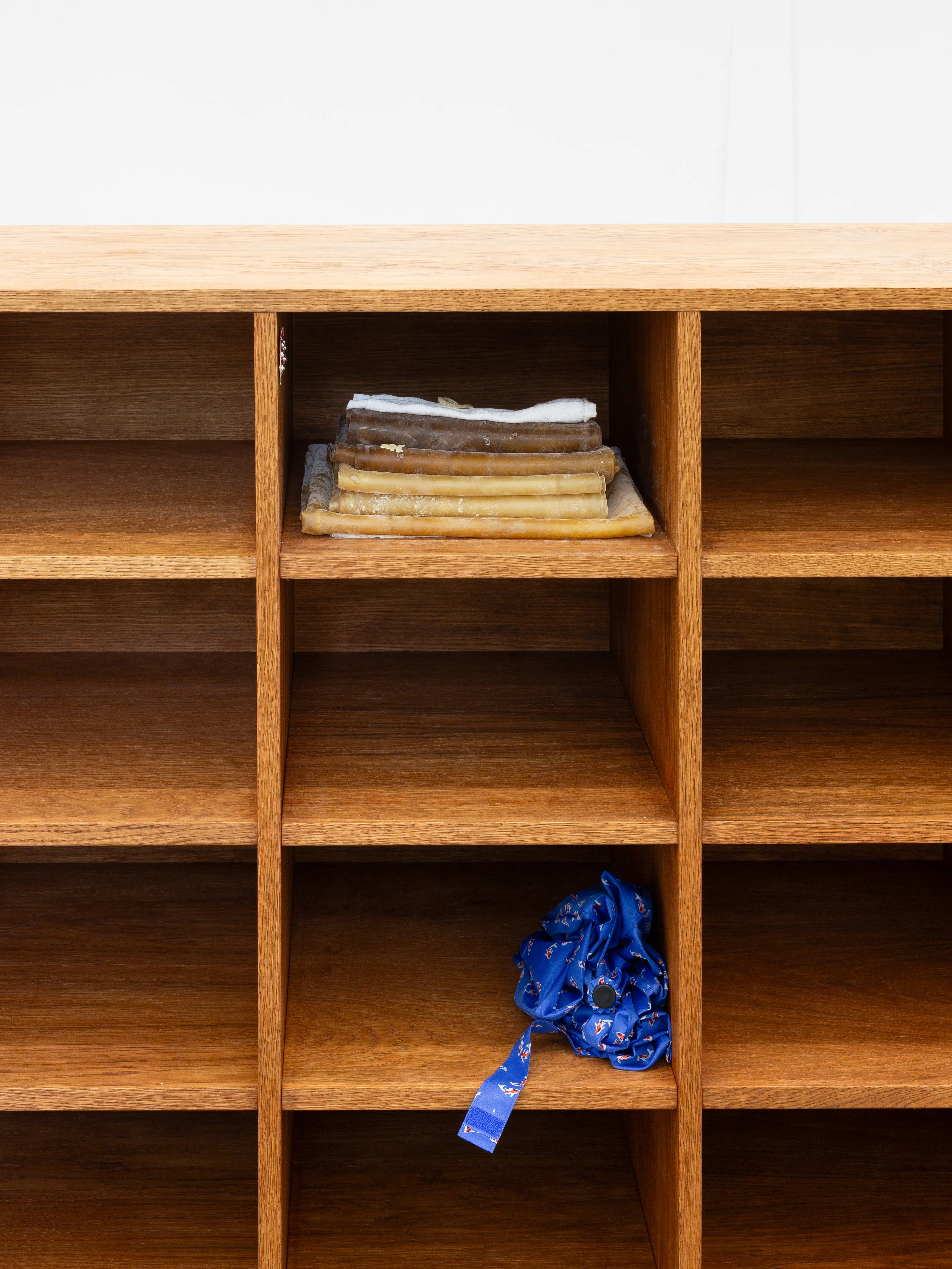
Linda Lach’s sculptures invade and reject through their physical presence. They anchor the space in the immediacy of the object, where presence is given without a corresponding affect, leaving something unresolved, suspended. Works such as morning greetings will bear fruit (2026) – a copy of a traditional Japanese getabako, a wooden shoe cabinet typically placed in kindergarten or school entryways, structured through repeated compartments – and Aw-chucks! (2026) – a crystal garland made of several cut vases from historical Polish glasswork Violetta – transform everyday objects into displaced doubles, invoking both personal and collective histories.
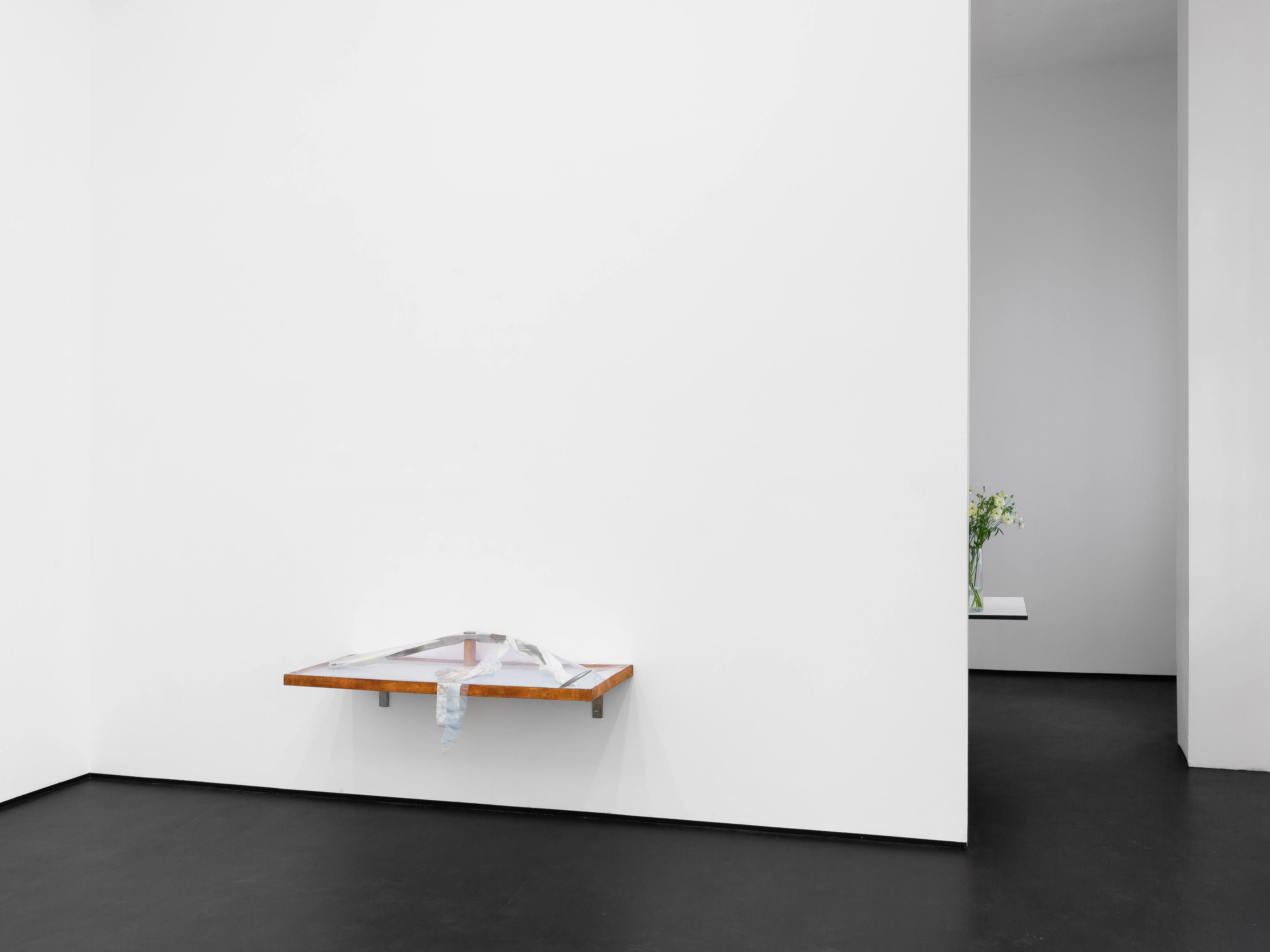
These forms reflect on labor and the handmade, exposing a tension between intimate space and public display, between solids and voids, a logic that extends to I started living in a shoebox recently (2026), a fabric bundle hung on the wall, and let’s go over the bonus situation (2025), a wooden shelf that contains composite, fragile materials.
The immediacy of these objects is undermined by their compromised functionality. Like Nguyen’s images, they persist as ghosts, replicas that still transmit an aura[2], or rather affect, through projection and personal memory.
Time no longer unfolds linearly but accumulates. There is no rupture, only permanence without climax. The wound no longer strikes as a point but diffuses across surfaces. What remains is not life, nor death, but a continuous present – a seductive, repulsive condition in which nothing collapses, and therefore nothing can be released.
2 W. Benjamin, The Work of Art in the Age of Mechanical Reproduction, 1936.
Diane Severin Nguyen
Diane Severin Nguyen (b. 1990, Carson City, US) works with photography, video, and installation. Her practice engages with photography not just as a means of documentation, but as a transformative process shaped by desire and speculation. Through material and sculptural experimentation, she seeks to exceed the conventional boundaries of the photographic moment. Nguyen’s video works further explore these themes, delving into the complex histories of power, victimhood, and propaganda that influence cultural narratives. She currently lives and works in New York City.
Linda Lach
Linda Lach (b. 1995, Warsaw, Poland) explores topics of recurrent translations and intimacy through performative sculptures, installations, video and poetry utilizing materials such as wood, leather, cotton, plastic and human milk. Her material gestures expand the presence and extend the social function of sculpture and performance by focusing on atemporality, self-exploitation and acts of brutality which exist beyond our categories of safe and threatening. Concerned with the current political peril of eastern Europe, through her practice, Lach navigates the surface of the ongoing symbolic dissolution and engages the inevitable reactionary reterritorialization of our reality. Lives and works in Warsaw.
Galerie Molitor opened in September 2022 in a residential development collective designed by June14 off of Berlin's Potsdamer Straße. The gallery aims to create a discursive environment for contemporary art in close collaboration with intergenerational Berlin-based and international artists. The gallery is committed to developing and piloting models for a sustainable and distributive work environment for its artists and employees.